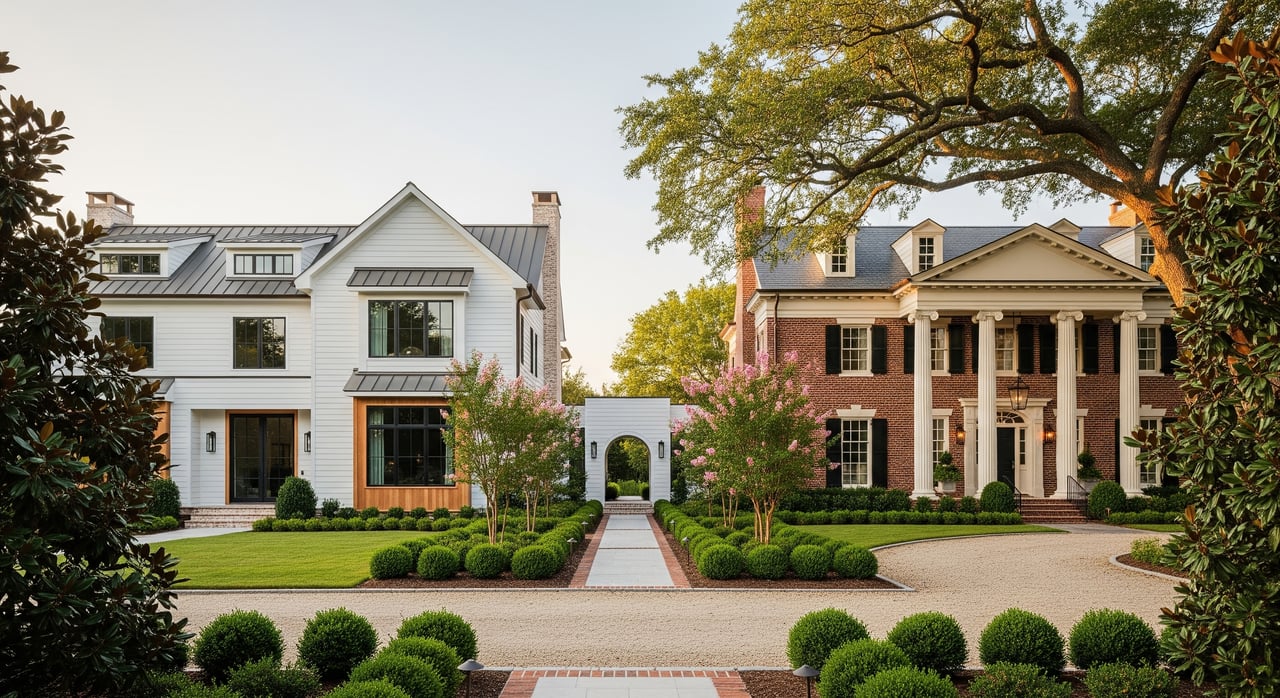
Should you buy a brand-new home or a resale in Toano? If you are weighing timelines, costs, and how much you can customize, you are not alone. Many buyers look at master-planned neighborhoods around Stonehouse alongside established resale areas and wonder which path fits their goals. In this guide, you will learn the key differences in speed to close, warranties, maintenance, energy efficiency, and total carrying costs so you can move forward with confidence. Let’s dive in.
Toano market snapshot
Toano sits in James City County along I-64 and offers a mix of master-planned communities and established neighborhoods. In areas like Stonehouse, you will find single-family homes, townhomes, and opportunities to select from inventory homes, under-construction options, or to-be-built plans. You can also find individual lots for custom builds.
Resale options range from townhomes to single-family homes with varied lot sizes and tree cover. Many buyers compare community amenities and easy access to I-64 with the larger lots and more rural character found in some older resales. Your choice often comes down to how fast you need to move, how much you want to customize, and your comfort with ongoing maintenance.
Move-in timing
If speed matters most, resale homes typically close in about 30 to 60 days when financing, inspections, and appraisal go smoothly. Cash purchases can sometimes close faster, while sales with contingencies may take longer.
For new construction, timelines vary. Inventory or spec homes can be move-in ready within weeks to a few months. Homes under construction or to-be-built usually take several months up to a year, depending on builder backlog and permit schedules. Starting from an empty lot and building custom can run about 9 to 18 months, depending on site work, weather, and subcontractor availability.
Local activity in master-planned areas can increase permit and inspection volume, which may add time. Lot conditions like steep grades or heavy tree cover can also extend the build schedule due to extra site work.
Customization and finishes
With new construction, you can select floor plans, structural options before framing, and finish packages that fit your style. Many builders offer integrated modern systems like smart-home wiring, tankless water heaters, and efficient HVAC. Keep in mind that upgrades can add up quickly. Once a home is framed, structural changes become limited and more expensive.
With resale, what you see is what you get on day one, including mature landscaping and, at times, larger or more private lots. You can always renovate later. Whether you plan a kitchen refresh or full bath remodel, timing and financing options will determine how fast you can update.
Warranties and maintenance
Many builders use a multi-tier warranty that resembles a “1-2-10” structure. Year 1 typically covers workmanship and materials, years 2 or 3 cover major systems like electrical, plumbing, and HVAC, and a limited structural warranty often extends to year 10. Exact coverage varies by builder, so always review the warranty document.
New homes usually have a lower maintenance burden in the early years, and warranty support can help resolve issues through a punch-list process. Resale homes do not come with a builder warranty. You should plan for inspections, immediate repairs if needed, and potential upgrades to older systems. Your near-term costs will depend on age, condition, and prior maintenance.
Energy and code benefits
New homes are built to current local codes and often include more energy-efficient features. That can mean lower utility costs and improved comfort. If efficiency is a priority, ask about ratings like HERS or ENERGY STAR when available.
For resale homes, consider an energy audit or an HVAC and insulation assessment if you want to target operating-cost savings. Improvements like air sealing, updated windows, and higher-efficiency equipment can boost comfort over time.
Total carrying costs
Every home comes with ongoing expenses. Plan for mortgage principal and interest, property taxes, homeowners insurance, utilities, HOA dues if applicable, and routine maintenance.
With new construction, you might use a construction loan with interest-only payments during the build, then convert or refinance into a permanent mortgage. If you need to move before your home is complete, you may have overlapping costs such as rent or your current mortgage. New homes may be assessed differently in the first years, which can change your taxes after the county reassesses the property. In master-planned communities, ask about HOA dues and any one-time capital assessments.
With resale, the initial purchase price may be lower in some cases, but early repair or renovation costs can add up. Older systems can affect maintenance and utilities in the near term. Build a cushion for the first year after closing to handle surprises.
Price, incentives, and appraisal risk
Builders adjust negotiation and incentives based on market conditions. In softer markets, you may see closing-cost help, upgrade credits, or lot discounts, especially on spec homes. In stronger markets, incentives tighten and pricing is often more firm.
Be aware that lot premiums and upgrades can push a new-build contract price above comparable closed sales. Appraisers rely on nearby comps, so if the appraisal comes in low, you may have a financing gap to cover or a negotiation to reopen. Resale valuations are typically easier to align with comparables, but hidden defects can impact value and repair negotiations.
Lot and HOA checks in Toano
Before you buy, confirm the lot’s topography, drainage patterns, and any required tree removal. Verify utility access, since some outlying lots may rely on septic rather than public sewer. Review setbacks, easements, and any flood risk using local maps.
If the home sits in a community association, review covenants and restrictions, recurring dues, and any planned improvements or assessments. In larger communities, amenities are a value factor, but they also come with operating costs that shape HOA budgets over time.
Financing paths that fit
For resale homes, most buyers use a standard mortgage and schedule inspections and appraisal once under contract.
For new construction, your lender may offer construction-to-permanent loans that fund the build through draws and then convert to a permanent mortgage. FHA and VA loans can be options for new construction, but they have specific requirements. If you plan to renovate a resale home, you can explore renovation loans designed to finance both the purchase and improvements.
Down payment amounts and qualification rules vary by program. Ask your lender to outline timelines, draw schedules, and inspection requirements tied to your loan so you understand how they affect closing.
Practical checklists
New construction buyers
- Verify the builder’s reputation and recent build quality.
- Read the full builder warranty, including claim process and exclusions.
- Confirm lot details, including drainage, tree removal needs, and utility availability.
- Review HOA covenants, dues, and any planned assessments or amenity timelines.
- Get a written build schedule with milestones, plus remedies for extended delays.
- Document all standards and upgrades in the contract with exact specifications.
- Clarify how appraisal shortfalls will be handled and who pays for what.
- Plan pre-final and final walk-throughs and set expectations for punch-list timing.
Resale buyers
- Schedule a full home inspection and specialized checks if needed, such as chimney, septic, termite, or mold.
- Review permits for past improvements to ensure the work was properly documented and closed.
- Check property tax history and likely reassessment timing after you buy.
- Read HOA documents if applicable and note any rules that affect your plans.
- Budget for first-year maintenance and desired updates, with estimates in hand when possible.
Which path fits you?
Choose resale if you need to move within 30 to 60 days, want mature landscaping or larger established lots, and are comfortable tackling maintenance or updates. Resales work well when you value speed and prefer known neighborhood comparables.
Choose new construction if you want modern layouts and finishes, lower early maintenance, and customization options. This can be a strong fit if you have flexibility on timing and a plan for potential overlap costs while you wait for completion.
If you are still unsure, test both paths. Tour move-in-ready inventory in Stonehouse and compare it with a few well-maintained resales nearby. Put numbers to timelines, upgrades, and repair budgets, then choose based on the total package that fits your life.
Ready to weigh your options in Toano with a local guide by your side? Connect with Lisa Hatcher for a friendly, practical plan that fits your timing, budget, and style.
FAQs
How fast can I close on a resale home in Toano?
- Most resale closings take about 30 to 60 days, depending on financing, inspections, and appraisal.
How long does new construction take in the Stonehouse area?
- Inventory or spec homes may be ready in weeks, while to-be-built homes often take several months up to a year and custom builds can run 9 to 18 months.
Do new homes come with a warranty, and what does it cover?
- Many builders use a multi-tier warranty that often covers workmanship in year 1, major systems in years 2 or 3, and a limited structural component for up to 10 years, with exact terms varying by builder.
What carrying costs should I plan for with a new build?
- Plan for interest-only construction loan payments during the build, possible temporary housing or overlap, evolving tax assessments, HOA dues, and standard mortgage, insurance, and utilities after closing.
Can upgrades in a new build cause appraisal issues?
- Yes, lot premiums and upgrades can push the contract price above nearby comparable sales, which may create a financing gap if the appraisal comes in lower than the contract price.
What inspections should I order on a resale home?
- Start with a general home inspection, then add specialized checks such as chimney, septic, termite, or mold based on the property’s features and age.