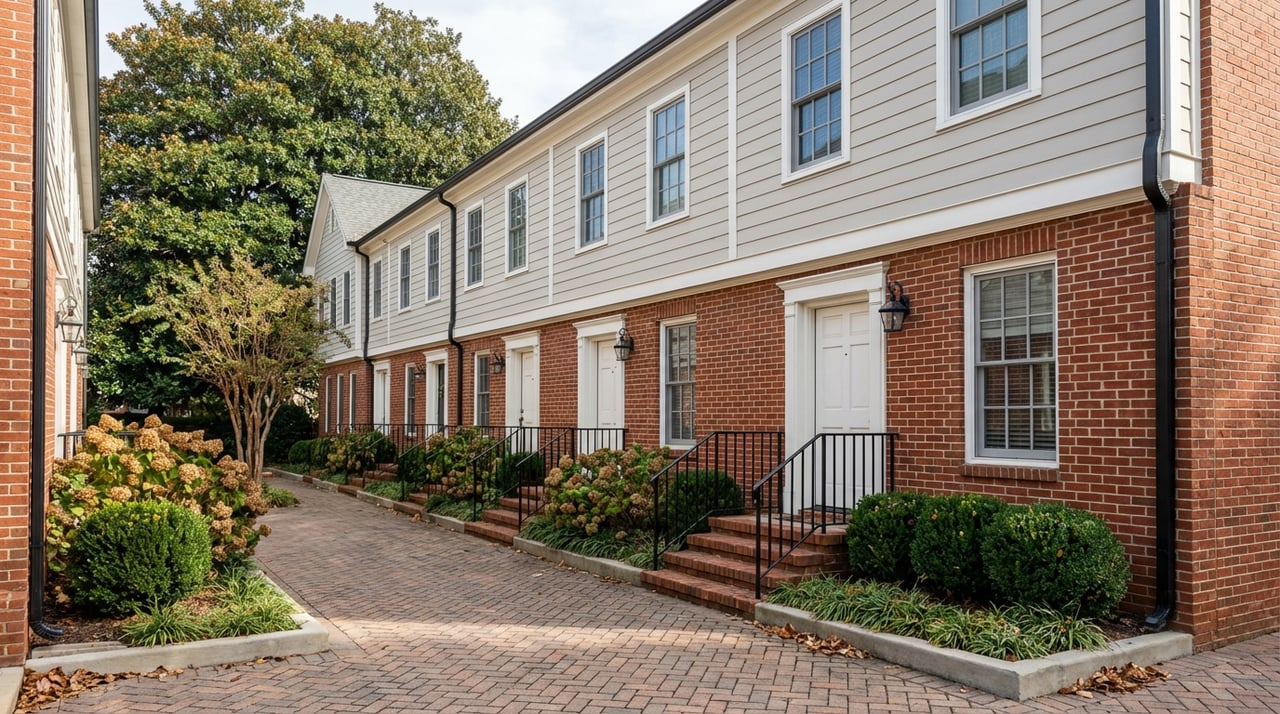
Wish you could trade yard work for your weekends without giving up a great Yorktown location? Townhome and condo living might be your sweet spot. If you’re a first-time buyer, downsizer, or busy professional, you want clear costs, simple maintenance, and a smart commute. In this guide, you’ll learn what townhomes and condos cost in Yorktown, where they cluster, what HOA fees really cover, how financing works, and a step-by-step checklist to buy with confidence. Let’s dive in.
Why choose attached living in Yorktown
Attached homes in Yorktown offer low-maintenance living with access to local amenities, waterfront recreation, and major routes across Hampton Roads. You’ll often get modern layouts, efficient footprints, and community perks like trails or a clubhouse. Many neighborhoods sit close to shopping, dining, and everyday services. If you value convenience and predictable upkeep, these homes can be a strong fit.
Market snapshot and price ranges
Yorktown’s overall market has been hovering in the mid-to-upper $400ks to $500k range recently. That sets the backdrop for attached options that can be more affordable. Typical resale townhomes often fall in the mid-$200ks to low-$300ks, with entry-level options in the low $200ks and newer or larger units pushing into the $400ks. Premium or waterfront new-construction townhomes can reach the high $400ks.
Condo pricing varies by age and amenities. Smaller, older condos sometimes sell near or below the low $200ks. Many 2-bedroom condos land in the mid-$200ks to around $350k. Villa-style and amenity-rich communities, including some 55+ options, commonly list in the low-to-mid $400ks. Newer three-story townhomes in infill communities often start in the low-to-mid $400ks and trade at a premium for modern finishes and low immediate maintenance.
Medians can vary depending on the source and whether data blends single-family and attached sales. For an exact target, ask your agent to pull recent MLS comps for your specific block or building.
What layouts and amenities look like
Townhomes: sizes and features
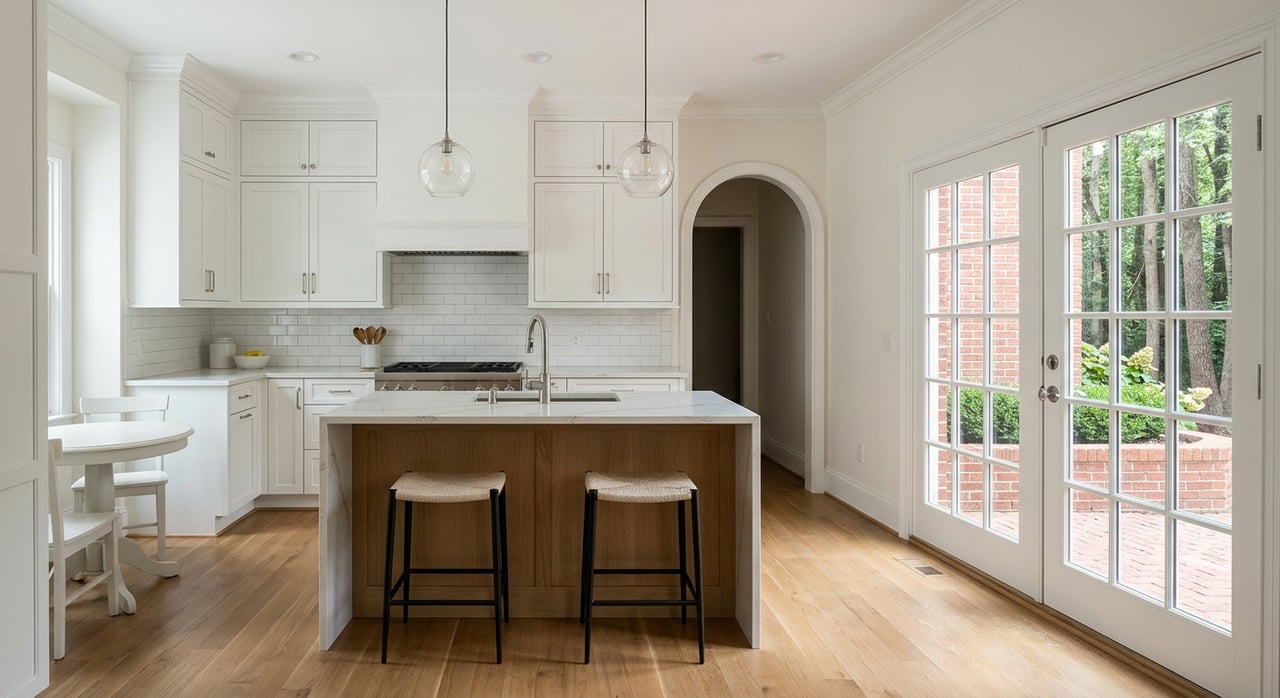
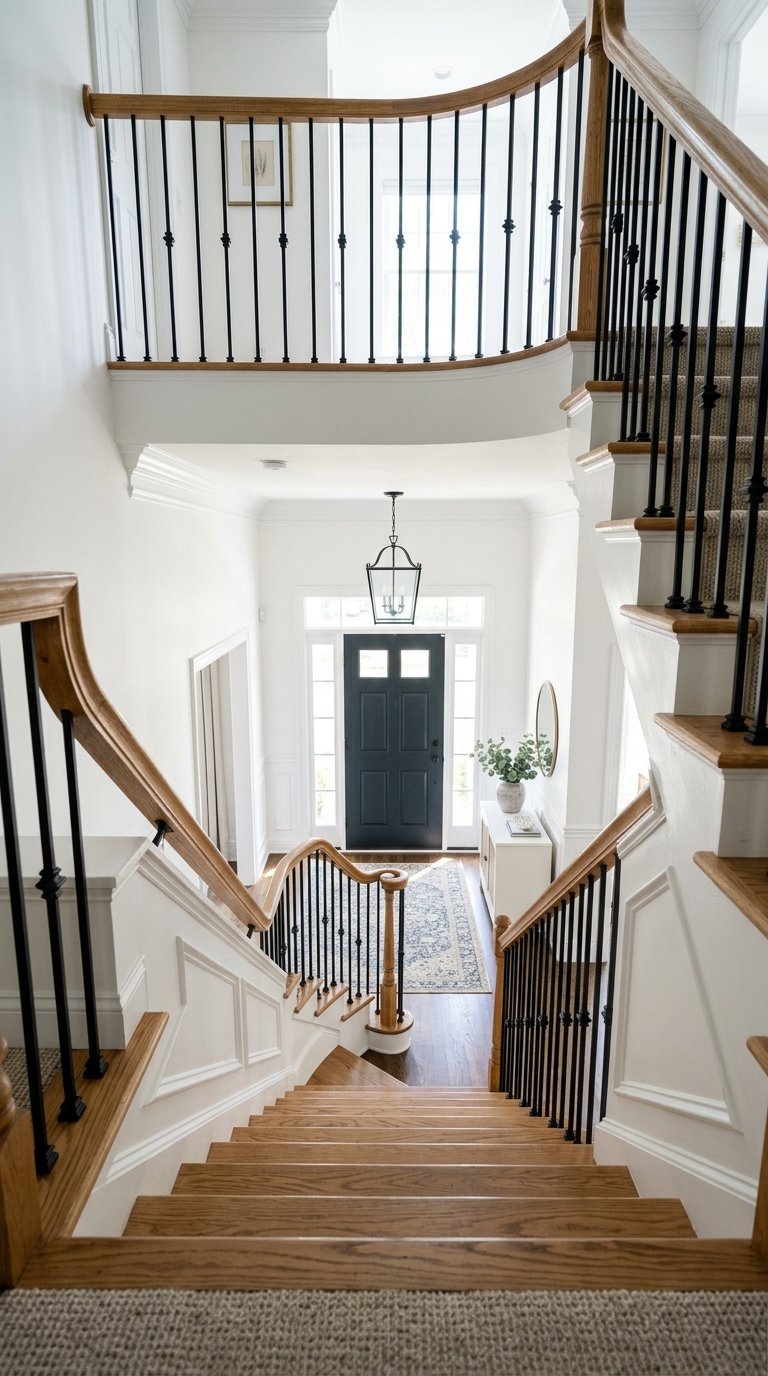
Most Yorktown townhomes are 2 to 3 stories with 2 to 4 bedrooms and roughly 1,200 to 1,900+ square feet. Many 1990s–2000s homes include a first-floor bedroom option, a two-story living area, and 1 to 2 full baths plus a powder room. Newer builds lean toward open kitchens, larger primary suites, and rear-load 2-car garages.
Condos and villas: single-level options
Condos range from efficient one-bedroom plans around 700 to 1,100 square feet to larger villa-style layouts near 1,600 to 1,800 square feet. Villas often deliver single-level living with community amenities like a clubhouse, pool, and fitness center. You’ll typically trade a private yard for shared green space and easier exterior maintenance.
Parking and storage
Townhomes often include a garage or dedicated driveway. Condos usually have assigned parking or a garage space if offered by the building. Storage varies by community. If extra space matters, confirm whether a storage closet or garage bay conveys with the unit.
Where townhomes and condos cluster
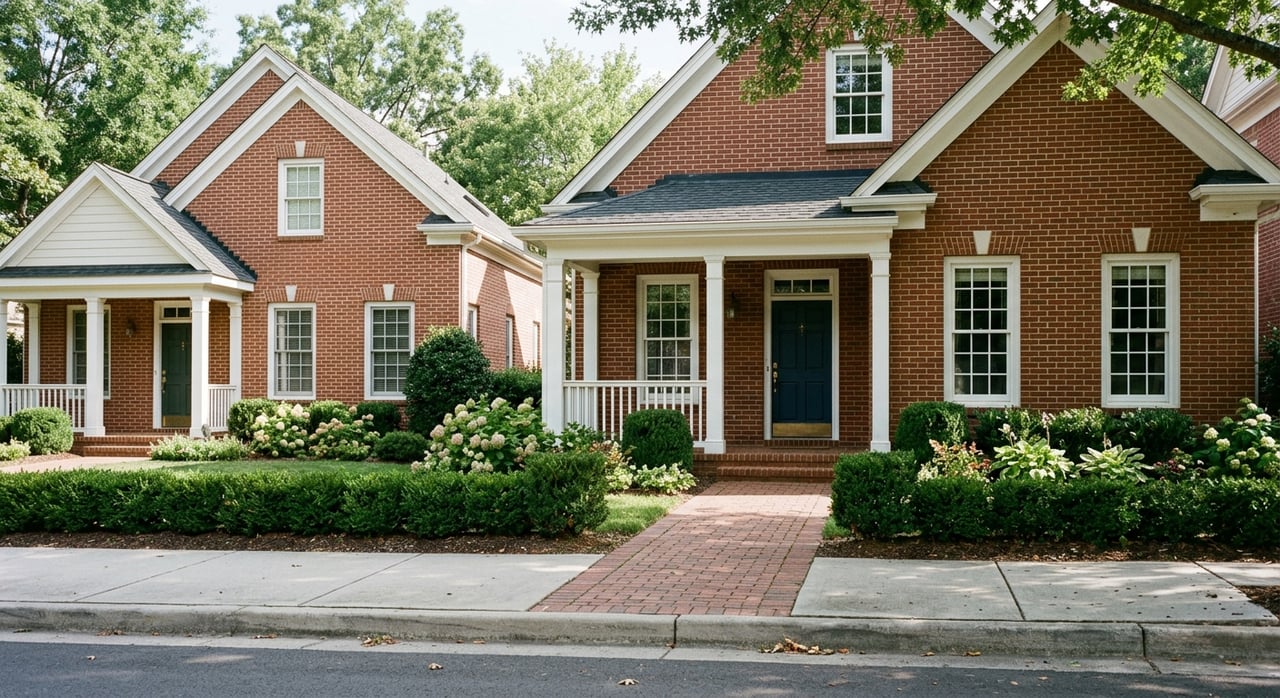
- Glen Laurel (Grafton area): Established townhome community with practical footprints around 1,200 to 1,800 square feet. Many units carry modest HOA dues. A popular choice for first-time buyers and downsizers.
- Coventry (southern Yorktown): A master-planned area with multiple sub-associations offering townhomes and detached homes, plus trails, pools, and clubhouse access. You can review community structure and disclosures on the Coventry HOA site.
- Villas near Historic Yorktown: Villa-style condos close to Riverwalk and the York River attract buyers seeking single-level living and amenities. Expect higher dues that include services and building insurance.
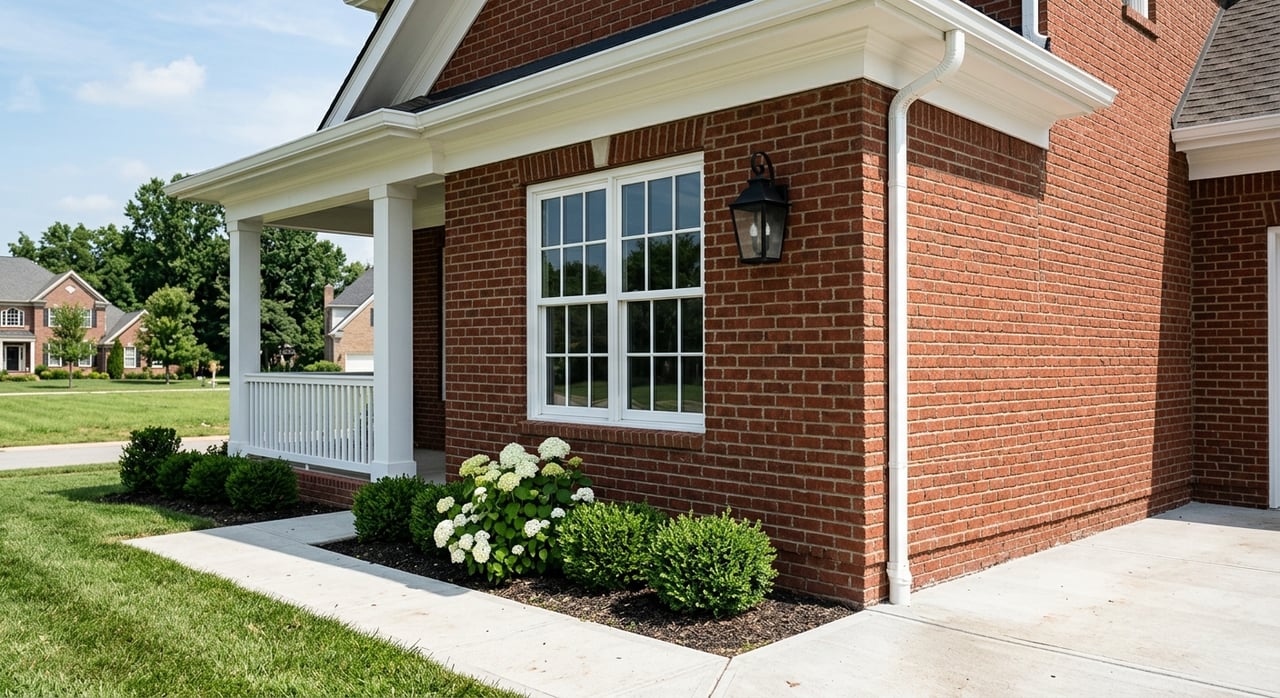
- Yorktown Crescent / Nelson’s Grant (infill phases): Newer mixed-use and townhome phases offer contemporary 3-story plans with garage parking. Pricing often sits above older resale townhomes. For background on the area’s mixed-use growth, see Nelson’s Grant mixed-use phases.
- Smaller condo pockets (Bridge Crossing, Burnt Bridge Run area): Older condo buildings and small associations near key corridors can be more budget-friendly. Condition and funding vary by building, so review the HOA packet closely.
Tip: York County maintains a directory of associations and contacts, which can help when you need resale documents or board contacts. Check the York County HOA directory.
HOA fees and what they cover
Monthly dues vary widely depending on services and amenities. Many townhome sub-associations in Yorktown fall roughly in the 60 to 180 dollars per month range, while amenity-rich or villa-style condo communities can exceed 400 dollars per month. Higher dues often reflect expanded coverage like building insurance for common elements, clubhouse maintenance, and exterior upkeep.
What fees often include:
- Common-area landscaping and exterior maintenance
- Roof and siding coverage for condominium buildings
- Trash service and grounds care
- Amenity upkeep such as pools, fitness rooms, and trails
- Management company fees and master policy premiums
Always confirm the exact inclusions and insurance with the HOA’s documents.
Reserves, assessments, and governance
A low monthly dues number can be misleading if reserves are underfunded. Ask for the most recent budget, reserve study, and meeting minutes to spot any red flags like deferred maintenance or pending special assessments. If you’re eyeing Coventry or a similar master-planned area, look for sub-association details on the community’s site.
Virginia resale disclosures and timing
Virginia’s Resale Disclosure Act requires an HOA or condo resale packet for attached homes. Associations generally have up to 14 days to provide the certificate after request. Once you receive it, the law sets default 3-day review windows and other timing rules that define your right to cancel. For a clear overview of the timelines and buyer rights, review this Virginia Resale Disclosure Act summary.
Financing and insurance checkpoints
Attached homes add a few extra lender and insurance steps. Confirm these early so your contract stays on track.
- FHA and spot approvals: You may be able to use an FHA loan even if the condo project is not fully FHA-approved, using single-unit approval. Eligibility depends on project metrics like owner-occupancy and delinquency rates. Start with the lender and this overview of FHA single-unit approval guidance.
- Conventional and VA loans: Lenders apply condo project standards. Associations with low reserves, litigation, or heavy commercial space can be tougher to finance. Ask your lender about Fannie Mae condo project standards and any overlays that apply.
- Insurance basics: Condo buyers typically carry an HO-6 unit policy while the association’s master policy covers common elements. Request the master policy summary to check deductibles and what the HOA covers. For general statutes that govern Virginia condos and HOAs, see the Virginia Condominium and POA laws. If the property is near water or in a low-lying area, ask your lender whether flood insurance is required and review FEMA maps.
Buyer checklist: decide if it fits your life
- Know your total monthly number
- Add mortgage, taxes, HOA dues, HO-6 insurance (for condos), and utilities. Compare that total to a similar single-family home, which will have separate yard and exterior costs.
- Order and review the resale packet early
- Ask the listing side to order it as soon as you go under contract. Confirm it includes the budget, reserve study, insurance declarations, rules, and any notice of litigation or assessments. Your review window and cancellation rights follow the Resale Disclosure Act timelines.
- Check reserves and recent projects
- Look for healthy reserve funding. Ask about roofs, paving, elevators, or building systems recently addressed. Underfunding can lead to special assessments.
- Confirm financing options up front
- If you need FHA or VA, verify the project’s eligibility or single-unit approval paths. If the project is not finance-friendly, discuss alternatives with your lender.
- Study rules that affect daily life
- Review pet limits, parking, rental policies, exterior modifications, and any age restrictions in 55+ communities. Rules shape your lifestyle and future resale.
- Inspect with attached-housing expertise
- For condos, focus on building systems and documented water or infrastructure issues. For townhomes, check party walls, grading, and drainage between units. Hire an inspector who knows attached construction.
- Talk to management or board
- Ask about dues increases, response times, and neighborhood pinch points like parking. Use board contacts in the resale packet or the York County HOA directory.
- Consider resale and rental demand
- Owner-occupancy ratios, rental caps, and the local buyer pool affect future value and liquidity. Proximity to military and regional employment centers can shape demand.
Next steps with local help
Choosing the right attached community comes down to clarity on costs, rules, and long-term upkeep. If you want a smooth path from search to keys, partner with a local team that knows the neighborhoods, the HOA paperwork, and the lending nuances for condos and townhomes.
Have questions or want to compare communities side by side? Connect with Lisa Hatcher for a friendly, no-pressure chat. We’ll help you size your budget, line up financing, pull recent comps, and review HOA documents so you can buy with confidence.
FAQs
What are typical townhome and condo prices in Yorktown?
- Many resale townhomes fall in the mid-$200ks to low-$300ks, with newer or larger units reaching the $400ks. Condos often range from the low $200ks to the mid-$400ks depending on size, age, and amenities.
What do HOA fees usually cover in Yorktown communities?
- Dues often cover common-area landscaping, exterior maintenance, trash service, amenities like pools or fitness rooms, management fees, and for condos, portions of building insurance. Always verify coverage in the HOA packet.
How does Virginia’s Resale Disclosure Act protect me when buying a condo or townhome?
- The association must provide a resale packet, typically within 14 days of request, and you receive a defined review window (often 3 days by default) to cancel if needed. See the Virginia Resale Disclosure Act summary for details.
Can I use an FHA or VA loan for a Yorktown condo?
- Yes, depending on the project. FHA allows single-unit (spot) approvals in some cases, and conventional/VA loans follow project standards. Start early with your lender and review FHA single-unit approval guidance and Fannie Mae condo project standards.
Which Yorktown areas have more townhomes and condos?
- You’ll find clusters in Glen Laurel (Grafton area), Coventry’s sub-associations, villa communities near Historic Yorktown, and newer phases in Yorktown Crescent and Nelson’s Grant, plus smaller condo pockets near key corridors. For association contacts, use the York County HOA directory.