Thinking about selling your Yorktown home this year? If you want strong offers fast, the way you prep and stage your home matters as much as pricing. Listing portals show Yorktown prices near the upper end of York County, which means presentation helps you justify value and stand out. In this guide, you’ll get a practical timeline, Yorktown-specific rules to know, smart upgrades that pay off, and a room-by-room staging plan. Let’s dive in.
What sells in Yorktown now
Recent listing portals indicate Yorktown’s median sale price sits around the higher end of York County, with one snapshot showing roughly $500,000 in early 2026. County-level medians vary across portals because of different methods and timing. Your best move is to price from neighborhood MLS comps and match your prep to that target so you avoid over- or under-spending.
Timing also helps. National patterns point to spring, especially May, as the sweet spot for faster sales and better premiums. You can use this to plan backward, scheduling repairs, permits, staging, and media so you launch strong when buyer demand grows. Read more about the seasonal effect in this overview from Bankrate on the best time to sell.
Plan your timeline
Build a simple schedule from two to eight weeks based on your home’s needs. Start with a quick assessment, then handle low-cost, high-impact fixes, curb appeal, and targeted cosmetic updates. Layer in staging and professional media at the end so you hit the market with your best look.
If you are aiming for a late April or May listing, begin your “quick wins” four to six weeks ahead. Add buffer time if you need exterior approvals, permits, or contractor availability.
Know Yorktown rules before you start
Historic district checks
Parts of Yorktown fall under the Historic District Overlay and Design Guidelines. Street-facing changes like siding, shutters, porch updates, railings, and some hardscapes may require review and approval. Review the Yorktown Historic District overlay and design guidelines early and allow extra time if you plan exterior updates.
Permits and inspections
York County requires permits and inspections for many projects beyond basic cosmetics. Electrical, plumbing, structural, HVAC, decks, major siding, or roof work commonly need permits, and open permits can complicate appraisals or closings. Confirm thresholds and schedule inspections through York County Building Inspections and Permits so work is closed out before you list.
Flood risk and insurance
Yorktown’s waterfront setting means some properties sit within FEMA flood zones. Insurers and lenders use FEMA maps, and Risk Rating 2.0 changes how flood insurance is priced. Check your status with the county’s floodplain and flood insurance guidance. New NFIP policies can take up to 30 days to activate, so plan ahead and gather elevation certificates or flood-history documents for buyer confidence.
Step-by-step prep and staging plan
Week 0: Rapid assessment
Walk your home with your agent and list the make-or-break items for photography. Flag stains, scuffs, lighting issues, clutter, and any obvious mechanical or safety concerns. If you plan exterior changes in the historic overlay or larger trades work, start approvals and permits now.
Weeks 1–2: Quick wins
- Declutter every space, then deep clean kitchens, baths, floors, baseboards, vents, and windows. A spotless home reads as well maintained and move-in ready. NAR’s staging research shows cleanliness and neutral presentation drive buyer interest. See the National Association of Realtors’ staging insights.
- Handle small repairs. Tighten door handles, fix leaky faucets, repair window latches, replace broken blinds, and refresh missing grout or caulk.
- Neutralize paint. Touch up where needed or repaint main living areas in light, neutral tones so rooms feel brighter and larger.
- Update lighting. Replace dated fixtures and use bright but warm bulbs to improve photos and perceived space.
Weeks 2–4: Curb appeal and cosmetic upgrades
- Curb appeal first. Power wash siding and walks, paint or refresh the front door and hardware, tidy beds, add fresh mulch and simple plantings, and make sure address numbers and mailbox are clean and visible. Exterior upgrades like entry or garage doors routinely score well for resale value according to Kiplinger’s round-up of projects that pay off and BobVila’s guide to outdoor upgrades.
- Quick kitchen and bath refresh. Reface or paint cabinets, swap cabinet hardware, install a modern faucet, update lighting, regrout tile, and replace worn counters only if it is cost effective. Minor kitchen updates tend to recoup more than full gut remodels in national data.
Weeks 3–6: Stage and market
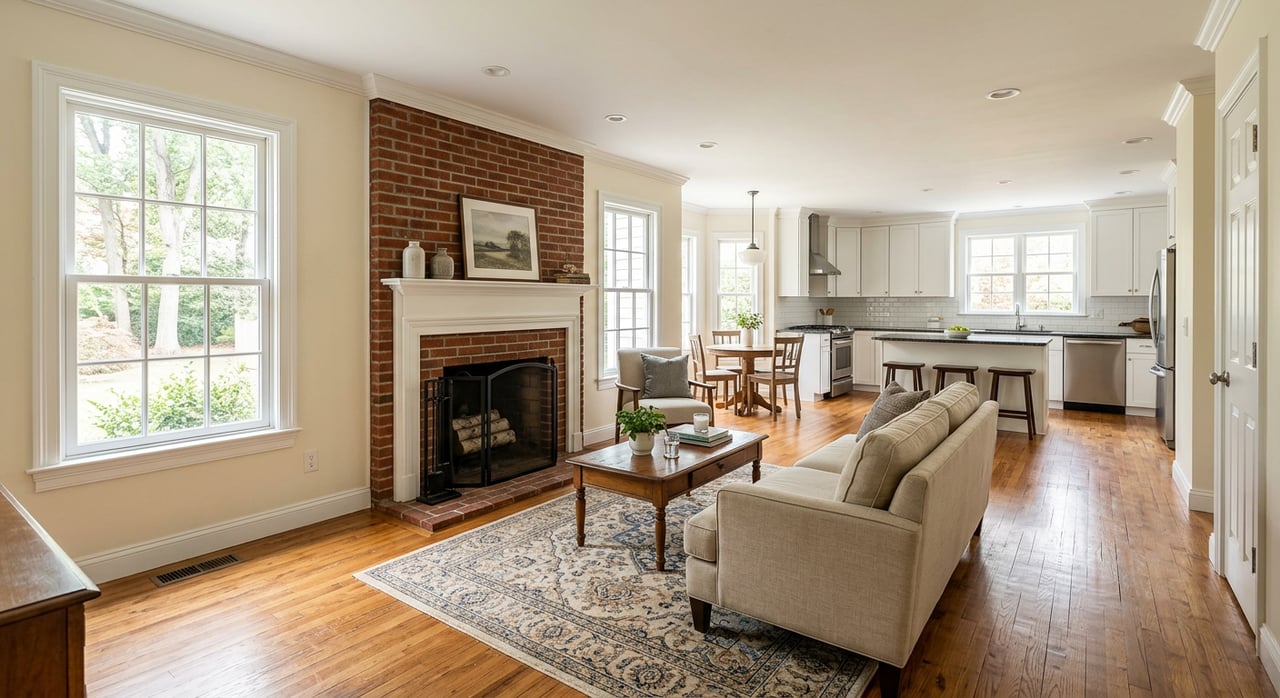
- Prioritize key rooms. Focus on the living room, kitchen, dining area, primary bedroom, and outdoor space. NAR’s staging research highlights these rooms as the most influential for buyers.
- Choose physical or virtual staging. Physical staging helps buyers experience scale during showings. Virtual staging is cost efficient for online photos of vacant homes and has strong viewing metrics, as shown in virtual staging ROI summaries. Pick the option that fits your budget and timeline.
- Book professional media. High-quality photos, floor plans, and a 3D tour boost online engagement. Typical packages for standard homes often range from about $150 to $450 depending on add-ons, based on this real estate photography pricing overview. Include a twilight exterior if possible.
While listed: Showings ready
Keep the home spotless, well lit, neutral in scent, and at a comfortable temperature. Remove pets for showings and store personal photos. Fix beeping smoke detectors, clean return vents, and keep counters clear to avoid easy buyer objections.
Inspection and disclosure
Consider a pre-listing inspection if you want fewer surprises. You can fix issues upfront or adjust pricing based on local comps. Gather permits, warranties, and service records so buyers and appraisers have what they need.
Smart improvements that pay off
- Garage door replacement. Often one of the top ROI projects and a quick curb-appeal upgrade, per national Cost vs. Value summaries covered by Kiplinger.
- Front door refresh or replacement. Small cost, big first impression. See BobVila’s outdoor value tips.
- Minor kitchen update. Reface or paint cabinets, update counters if dated, and replace hardware and lighting. Typically a stronger recoup than a major remodel.
- Midrange bath refresh. Regrout, swap a dated vanity light, and update hardware for a clean, move-in-ready feel.
- Landscaping, power wash, paint touch-ups, and updated exterior lighting. Low cost and high perceived value.
Projects to approach with caution for immediate resale:
- Full upscale kitchen or luxury bath remodels. High cost and often lower percentage recoup. Use neighborhood comps and your agent’s guidance before committing.
Budgets and timelines in Yorktown
- Minimal prep: $500 to $2,000. Declutter, pro clean, touch-up paint, simple repairs, light DIY staging. Timeline about 1 to 2 weeks.
- Moderate prep: $2,500 to $12,000. Whole-home paint in main areas, kitchen and bath refreshes, landscaping, partial or full staging, professional photos and media. Timeline about 2 to 6 weeks depending on contractor availability and any approvals.
- Significant renovation: Above $12,000. Roof, structural work, full kitchen gut, or additions. These often require permits and add weeks to your schedule. Confirm requirements with York County Building Inspections and Permits early.
Cost notes:
- Interior painting can range roughly from $1,000 to $3,000 or more depending on size and scope. Get local quotes and compare. See this HomeAdvisor interior painting cost guide.
- Professional staging varies. Many full-service stagings land in the low thousands. Partial staging or agent-assisted styling can reduce the cost. NAR’s staging overview summarizes typical approaches and impact.
- Photography and media packages for standard homes often run about $150 to $450 depending on add-ons, as outlined in this photography pricing overview.
Yorktown seller checklist
- Pull neighborhood-specific MLS comps with your agent to set a smart target price range.
- Check if your property is inside the Yorktown Historic District Overlay. If so, review guidelines and factor in approval time for exterior changes.
- Verify flood zone status and gather elevation certificates and any flood insurance details. Plan for the 30-day NFIP activation window if needed.
- Complete quick wins: declutter, deep clean, small repairs, neutral paint, and basic landscaping.
- Choose physical or virtual staging for priority rooms. Order professional photos, floor plan, and a 3D tour after staging is set.
- If renovations require permits, open and close them before going live. Keep permits and warranties handy for buyers and appraisers.
Ready to sell with confidence in Yorktown? Our family-led team brings practical staging and renovation know-how, local vendor connections, bilingual support, and modern marketing to help you launch a standout listing. If you would like a custom prep plan and pricing strategy, connect with Lisa Hatcher to schedule a free local consultation.
FAQs
What is the best month to list a Yorktown home?
- National data shows spring, especially May, often delivers faster sales and stronger premiums, so plan prep work to be photo-ready before that window.
Do I need permits for selling prep in York County?
- Cosmetic updates usually do not, but electrical, plumbing, structural, HVAC, decks, and major siding or roof projects commonly require permits and inspections, which you should complete before listing.
How do Yorktown Historic District rules affect my sale?
- If your home is in the overlay, street-facing changes like siding, shutters, and porch updates may require design review, so check guidelines early and build in time for approvals.
How should I handle flood insurance when selling in Yorktown?
- Confirm your FEMA flood zone, gather any elevation certificates, disclose known history, and note that new NFIP policies can take up to 30 days to activate, which may affect a buyer’s timeline.
How much should I budget for staging and photography?
- Many full-service stagings land in the low thousands, while partial staging costs less. Professional photo packages often range about $150 to $450 depending on add-ons like drone, video, or 3D tours.