If you are trying to choose the right part of Yorktown, you are not alone. Many buyers quickly find that Yorktown is not one uniform market, and a home that looks great on paper can feel very different once you factor in commute routes, housing style, and day-to-day convenience. This guide will help you compare Yorktown neighborhoods in a practical way so you can focus on the areas that best match how you want to live. Let’s dive in.
How to think about Yorktown
Yorktown is often easier to compare by access than by distance. York County stretches 27 miles from Williamsburg to Hampton, and more than 40% of its land is earmarked for federal use. Because of that layout, buyers usually compare neighborhoods based on how directly they connect to Route 17, I-64, Route 199, or major employers like Naval Weapons Station Yorktown and the Coast Guard Training Center Yorktown.
That matters when you are narrowing your search. Two neighborhoods may both be in Yorktown, but one may feel much more convenient for your daily routine depending on which roads you use most. In this market, travel patterns often shape buyer choices as much as home style or lot size.
Historic Yorktown and the waterfront
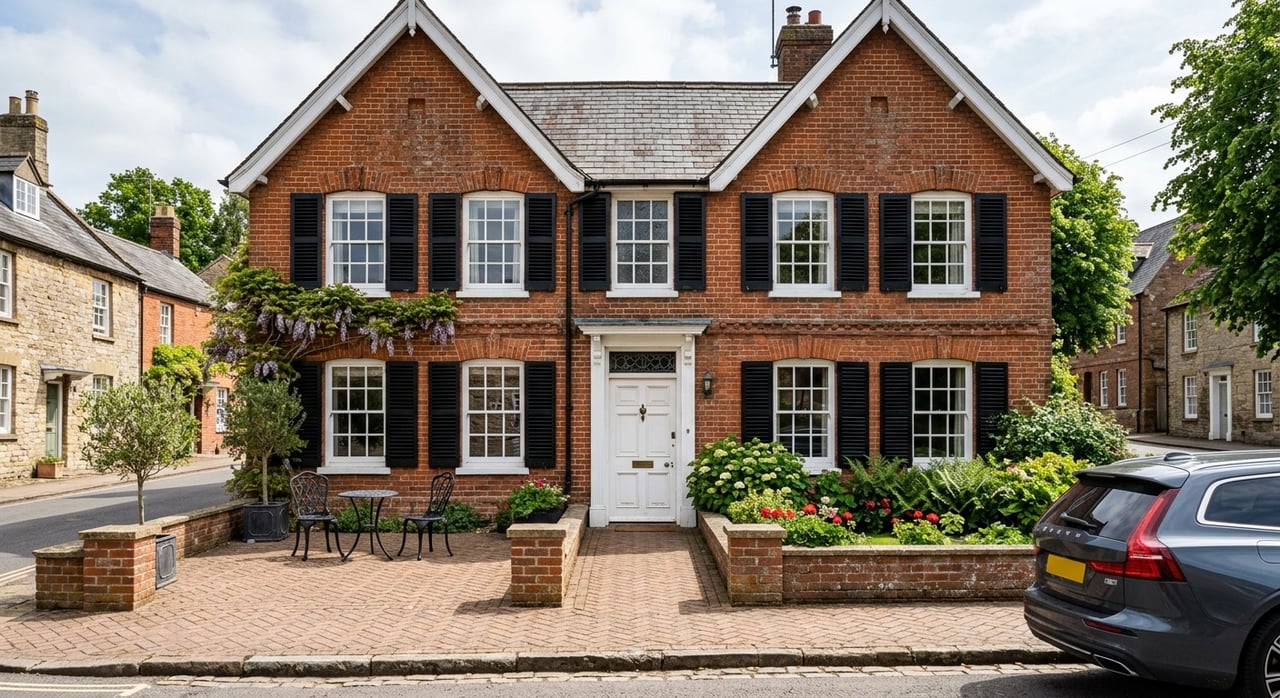
Historic Yorktown is the area with the most distinct sense of place. County design guidelines note that the village retains many 18th-century buildings and features, including Georgian architecture, early brick and frame residences, marl construction, and original lot lines dating to 1691.
The district is divided into a Historic Core above the bluffs and a Waterfront area between the bluffs and the York River. Main Street organizes the upper village, while Water Street anchors the riverfront. If you are drawn to architecture, heritage, and a setting that feels unlike a standard subdivision, this is the standout option.
What daily life feels like here
The waterfront is a major part of the appeal. Riverwalk Landing, built in 2005, includes nine buildings with more than 21,000 square feet of retail and restaurant space, and Yorktown Beach adds a two-acre beachfront in Historic Yorktown. A waterfront trail also links the Yorktown Battlefield area and the American Revolution Museum of Yorktown.
For many buyers, this is the part of Yorktown that feels the most walkable and visitor-oriented. You get close access to the riverfront and village activity, which can be a big plus if lifestyle and setting are high on your list.
What to consider before you buy
Historic Yorktown offers character, but it also comes with more preservation oversight. New construction and additions inside the district are reviewed for appropriateness, which is important to understand if you may want to renovate or make exterior changes later.
The housing stock here is also less standardized than in a newer suburban neighborhood. That can be a benefit if you want individuality, but it may be less appealing if you prefer a more predictable subdivision layout or newer home design.
Village-adjacent Yorktown neighborhoods
Not every neighborhood near the village has the same look or age. County plat records show older pockets such as York Point, with sections dating from 1947 to 1963, York Terrace from 1953 to 1956, and York Gardens from 1952. York Meadows adds later phases from 1997 to 2000, creating a mix rather than one single development era.
That means this part of Yorktown can offer a blend of postwar detached homes and later infill. If you like being near the village but do not necessarily need to be in the Historic District, this band gives you more variety in home age and style.
Newer options near the village
Buyers who want a newer feel while staying close to the village often look at neighborhoods such as Yorktown Trace, Yorktown-Rivermeade, Villas on Shady Banks, Villas at Yorktown, and Nelson’s Grant. Based on phase-platted records and naming patterns, these areas read more like newer in-town housing, with homes that likely lean toward townhomes, villas, and smaller-lot detached homes.
This can be a strong middle ground. You stay close to the waterfront and village amenities while getting a home style that may feel more updated or easier to maintain than an older historic property.
Best fit for buyers
This area often works well if you want:
- Proximity to Riverwalk Landing and the Yorktown waterfront
- A newer home style near the village
- Less emphasis on historic architecture
- A neighborhood that stays in the Yorktown village orbit
The main tradeoff is that these neighborhoods usually offer less architectural uniqueness than the Historic District. For many buyers, though, that is a fair exchange for newer layouts and more conventional housing types.
Kiln Creek, Tabb, and Coventry
If your priority is suburban convenience, Kiln Creek, Tabb, and Coventry are important areas to compare. County plat records show that much of this housing stock developed from the mid-1980s through the 1990s, with some later infill. Kiln Creek residential and golf-course or corporate-center sections begin in 1987 and continue through the mid-1990s, Tabb Lakes runs from 1985 to 1990, and many Coventry sections are largely 1990s-era plats.
In practical terms, this part of Yorktown feels more like a classic commuter suburb than a historic village. You are more likely to find planned-community housing patterns and a layout designed around everyday convenience.
Why buyers choose this area
Convenience is the biggest draw here. The Kiln Creek Commercial Corridor sits at Route 171 and Route 17 near I-64 exit 256, and the county lists retail nodes such as Kiln Creek Center, Village Square at Kiln Creek, Victory Village, and Lightfoot Crossing in or near this corridor.
You also have access to parks in this broader band, including Kiln Creek Park, McReynolds Athletic Complex, Chisman Creek Park, and Wolf Trap Park. For buyers who want a practical location with established suburban development patterns, this area often checks a lot of boxes.
Housing feel and flexibility
Kiln Creek stands out for having a somewhat more mixed housing profile. County plat records show some attached and multi-unit product, including condo and apartment plats along with later phases. That can give buyers more flexibility if they are comparing detached homes with lower-maintenance options.
Tabb and Coventry are often part of the same conversation because they share that late-20th-century suburban feel. If you want easier I-64 access and a neighborhood environment shaped around commuting and daily errands, this band deserves a close look.
Route 17, Dare, and Grafton
The Route 17, Dare, and Grafton area tends to appeal to buyers who want direct access to the county’s main commercial corridor. Route 17 is York County’s primary commercial and transportation corridor, and the county’s land-use plan identifies the Grafton Drive area and the Fort Eustis Boulevard intersection as mixed-use opportunity areas.
That helps explain why this part of Yorktown feels more commercial and convenience-driven than village-like. For some buyers, that is exactly the point. If your top priority is being close to everyday retail and major travel routes, this area can make a lot of sense.
Neighborhood timing and setting
In this band, county plat records show Lakes at Dare sections from 1994 to 2003, Victory Meadows in 2001, and Victory Trace in 2008. These neighborhoods tend to fit the pattern of later subdivision development near the corridor’s traffic, shopping, and commuter functions.
Nearby shopping nodes include Grafton Shoppes, Grafton Square, Shady Banks, York Square, York Village, and Riverwalk Landing. That broad retail access can be a strong advantage if convenience plays a major role in your home search.
Which Yorktown area fits you best?
When buyers compare Yorktown neighborhoods, the best choice usually comes down to lifestyle, home style, and travel patterns. Here is a simple way to think about the main options.
Best for historic character
Historic Yorktown is the strongest fit if you want:
- Older architecture
- Waterfront access
- A walkable village setting
- A highly individualized home environment
This area makes the most sense if character matters more to you than a standardized neighborhood layout.
Best for newer homes near the village
Village-adjacent neighborhoods like Yorktown Trace, Villas at Yorktown, Shady Banks, and Nelson’s Grant may be a better fit if you want:
- A newer in-town feel
- Access to the village and waterfront
- Smaller-lot or lower-maintenance options
- Less historic-district complexity
This is often a smart option for buyers who want convenience to Yorktown’s core without buying in the Historic District itself.
Best for suburban convenience
Kiln Creek, Tabb, and Coventry are often the best fit if you want:
- Planned suburban neighborhoods
- Established late-20th-century housing stock
- Access to I-64 and Route 17
- Nearby retail and parks
These areas are usually the most practical choice for buyers focused on commuting and routine convenience.
Best for Route 17 access
Route 17, Dare, and Grafton may fit best if you want:
- Fast access to the county’s main commercial corridor
- Nearby shopping and services
- Later subdivision-style neighborhoods
- A location shaped around daily convenience
If your schedule depends on quick regional access, this area should be on your list.
A smart way to narrow your search
Before you tour homes, it helps to decide what matters most to you. Are you looking for waterfront atmosphere, newer construction patterns, suburban practicality, or quick access to major roads and shopping? Once you answer that, Yorktown starts to feel much easier to navigate.
A local comparison also matters because Yorktown works as a set of overlapping submarkets, not one single neighborhood type. The right fit for you is the area that supports your routine, comfort level, and long-term goals.
If you want help comparing Yorktown neighborhoods in a way that matches your budget, commute, and home style preferences, Lisa Hatcher can help you sort through the options and focus on the areas that make the most sense for you.
FAQs
What is the best Yorktown area for historic homes?
- Historic Yorktown is the clearest choice for buyers seeking early architecture, original lot patterns, and a waterfront village setting with preservation oversight.
Which Yorktown neighborhoods feel newer near the village?
- Areas such as Yorktown Trace, Yorktown-Rivermeade, Villas on Shady Banks, Villas at Yorktown, and Nelson’s Grant are the main newer village-adjacent options identified in county plat records.
What part of Yorktown is best for commuting?
- Many buyers focus on Kiln Creek, Tabb, Coventry, or the Route 17 and Grafton areas because they offer practical access to I-64, Route 17, and major commercial corridors.
Are all Yorktown neighborhoods close to the waterfront?
- No. Historic Yorktown and nearby village-adjacent neighborhoods are closest to the waterfront, while other areas of Yorktown are more oriented around suburban convenience or Route 17 access.
What should homebuyers compare first in Yorktown?
- A smart first step is comparing access to Route 17, I-64, Route 199, and major employment areas, since Yorktown often functions more by travel patterns than simple mileage.